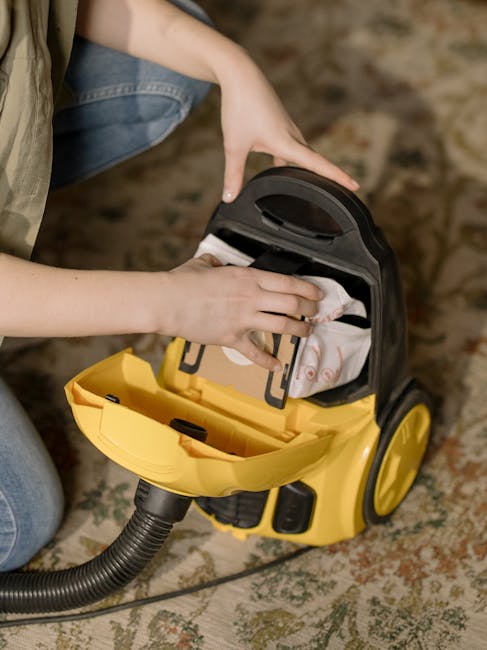
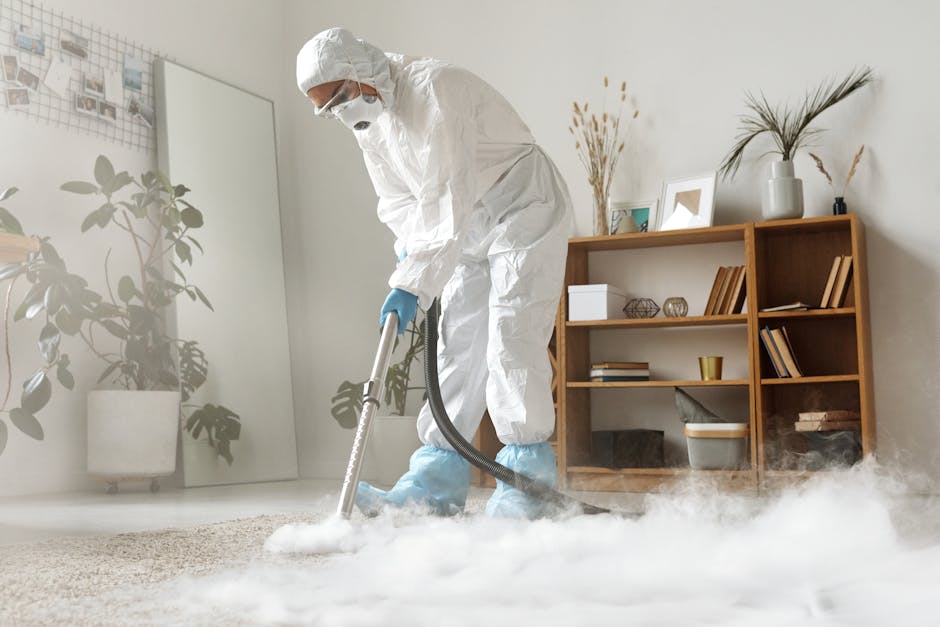
Romford station carpet cleaning specialists for RM1 addresses
If you live or work in RM1, especially around Romford station, carpet cleaning can be less of a luxury and more of a sanity-saver. Foot traffic from the station, muddy shoes after a wet commute, takeaway spills, pet accidents, and that general day-to-day grind all build up faster than people expect. The tricky part is not just finding someone who can clean a carpet; it is finding specialists who understand station-adjacent homes, flats, small offices, and the practical realities of RM1 properties.
This guide explains what Romford station carpet cleaning specialists for RM1 addresses actually do, how the process works, what to expect from a proper visit, and how to judge quality without getting lost in sales chat. You will also find a checklist, a comparison table, and the kind of small-but-important details that help you make a good decision first time. Truth be told, the difference between an average clean and a careful one is often obvious the moment you walk back into the room.
Table of Contents
- Why Romford station carpet cleaning specialists for RM1 addresses Matters
- How Romford station carpet cleaning specialists for RM1 addresses Works
- Key Benefits and Practical Advantages
- Who This Is For and When It Makes Sense
- Step-by-Step Guidance
- Expert Tips for Better Results
- Common Mistakes to Avoid
- Tools, Resources and Recommendations
- Law, Compliance, Standards, or Best Practice
- Options, Methods, or Comparison Table
- Case Study or Real-World Example
- Practical Checklist
- Conclusion
- Frequently Asked Questions
Why Romford station carpet cleaning specialists for RM1 addresses Matters
RM1 has a very particular rhythm. Some homes are close to the station and see regular footfall from family, visitors, commuters, and delivery drivers. Small commercial spaces nearby can experience even more wear. Carpets in these settings pick up grit, moisture, and stains faster than a quiet suburban room ever would.
Why does that matter? Because carpet dirt is rarely just "surface dirt". Fine grit settles into the fibres and starts acting like sandpaper. You do not always see the damage straight away, but you can feel it underfoot over time. The carpet looks tired. The colour dulls. Certain areas flatten. And on a rainy Romford morning, the entrance strip or hallway can start to look worn long before the rest of the carpet should.
Specialists familiar with RM1 addresses also tend to understand the practical limits of local properties. Staircases may be narrow, parking may be awkward, and access can be tight in flats or converted buildings. A cleaner who plans for that sort of thing tends to be calmer, quicker, and less disruptive. That matters if you are trying to work from home, look after kids, or get a business back up and running the same day.
There is also a trust angle. When a carpet cleaning company works in and around a station area, customers usually expect punctuality, efficiency, and a sensible approach to stain removal. No fluff. No guesswork. Just proper work.
Expert summary: if your RM1 carpets are close to Romford station, the best results usually come from a cleaner who combines local logistics awareness with the right cleaning method for the fabric, soil level, and drying conditions.
How Romford station carpet cleaning specialists for RM1 addresses Works
Professional carpet cleaning is not just "spray and scrub". A good specialist usually follows a structured process so the carpet is cleaned safely and the fibres are not over-wet or damaged. The exact method depends on the carpet material, age, pile type, and the type of soiling involved.
1. Inspection and fibre check
The cleaner should look at the carpet first. Is it wool, synthetic, or a blend? Are there delicate dyes? Are there traffic lanes, pet stains, food marks, or old residues from a previous DIY attempt? That early inspection matters because the wrong cleaning chemistry can make a stain worse, not better. A rushed clean can also leave sticky residue behind, which is annoying because it attracts dirt later. Very annoying, actually.
2. Dry soil removal
Before any wet cleaning starts, loose dirt should be removed with thorough vacuuming or agitation. This step is easy to underestimate, but it makes a big difference. If grit stays behind, it can turn into muddy slurry once moisture is added. Nobody wants that. Especially not on a carpet near the station where everyday dirt is already a challenge.
3. Pre-treatment
Traffic areas, stains, and greasy marks are usually treated first. A good cleaner chooses pre-treatments carefully rather than bathing the whole carpet in one product. Stain removal is partly about chemistry, partly about patience, and partly about knowing when to stop pushing. That last bit is more important than it sounds.
4. Main cleaning method
The main clean may involve steam carpet cleaning, hot water extraction, low-moisture methods, or specialist spot treatment. For many RM1 homes, steam carpet cleaning is popular because it can lift embedded dirt and refresh the pile effectively when used correctly. But the right choice depends on the carpet, not on what sounds impressive in a brochure.
5. Extraction and drying support
Once soil and residue are lifted, as much moisture as practical should be extracted. In flats and busy households, drying time is a real-world issue. A cleaner who explains ventilation, heating, and furniture placement is usually taking the job seriously. A freshly cleaned carpet should feel fresh, not soggy.
6. Final grooming and check
Finally, the pile may be groomed and the results inspected. This last pass helps the carpet dry more evenly and can improve its appearance. You can often tell whether a cleaner has taken pride in the job by this final stage. It is a small thing, but not really a small thing.
For anyone comparing service types, the wider carpet cleaning service should be viewed as the foundation. Then, depending on the room and the problem, options like steam carpet cleaning, stain removal, or even pet stain and odour removal may be added to the plan.
Key Benefits and Practical Advantages
There are obvious reasons people book a carpet clean, but the less obvious benefits are often the ones they end up valuing most.
- Better first impressions: if you have guests, landlords, tenants, or clients walking through the property, clean carpets quietly improve the whole feel of a room.
- Improved day-to-day comfort: carpets feel softer, smell fresher, and look brighter after a proper clean.
- Longer carpet life: regular maintenance removes grit and residue that can wear fibres down.
- Smarter stain control: early treatment often prevents old marks from becoming permanent shadows.
- Helpful for allergy-conscious households: while no cleaner can promise medical outcomes, removing embedded dust and debris can make a room feel less stale.
- More suitable for move-in or move-out moments: especially in flats and rental properties around RM1 where timing matters.
There is also a practical business benefit. In small offices or shops near Romford station, flooring affects how people perceive the whole premises. A clean carpet says the place is looked after. A shabby one says, well, the opposite. Fairly quickly too.
For larger or shared premises, a commercial approach may make more sense. The commercial carpet cleaning service is useful where foot traffic is heavier, schedules are tighter, and cleaning needs to happen around operations rather than interrupt them.
Who This Is For and When It Makes Sense
This type of service is a strong fit for several RM1 situations:
- Commuter households near Romford station where hallway and living room carpets take a daily beating.
- Tenants and landlords dealing with end-of-tenancy standards or pre-let presentation.
- Small businesses with customer-facing floors that need to look presentable without constant replacement.
- Families with children who know what happens to a light carpet after a few months of real life.
- Pet owners who need help with hair, odours, and the occasional accident.
- People preparing for an event such as a visit, sale, or house photos.
It also makes sense when a carpet is not obviously damaged but feels "off" somehow. You know the feeling. It no longer looks terrible, but it does not look clean either. That in-between stage is often the best time to act, because the job is easier and the results are usually better.
If the issue extends beyond carpets, it can be sensible to combine services. A sofa that has absorbed odours, a rug that needs careful handling, or dining chairs that have picked up drink marks may all need attention at the same time. The linked services for sofa cleaning, rug cleaning, and upholstery cleaning can be relevant in those cases.
Step-by-Step Guidance
Here is a practical way to approach booking and preparing for carpet cleaning in an RM1 property.
- Assess the carpet honestly. Note the stains, traffic lanes, odours, and any fragile areas. Be a bit picky here; that helps the cleaner plan properly.
- Check access and timing. Think about parking, stairs, lift access, parking restrictions, and whether someone needs to be home to open up or supervise.
- Ask about the cleaning method. Not every carpet should be treated the same way. Wool, for example, generally calls for more careful handling than many synthetics.
- Confirm what is included. Does the clean cover pre-treatment, stain focus work, moving light furniture, or just the carpeted area itself?
- Prepare the space. Move small objects, clear fragile items, and vacuum if you have time. It sounds basic, but it really does help.
- Discuss drying expectations. Ask how long the room may be out of use and what ventilation is best.
- Review the result before everything is put back. If a stain has lightened rather than vanished, ask for a plain explanation. Some marks are stubborn, and honesty matters.
One useful habit is to take a couple of quick photos before the clean. Not for drama. Just so you can compare after and notice the difference properly. The brain is funny like that; once a carpet looks better, you sometimes forget how tired it looked in the morning light.
Expert Tips for Better Results
From a practical standpoint, the best carpet cleans are usually the result of good preparation and realistic expectations.
- Act on stains sooner rather than later. Fresh spills are always easier than old, set-in marks.
- Blot, don't rub. Rubbing can spread the stain and roughen the fibres.
- Tell the cleaner what caused the stain. Coffee, wine, grease, ink, and pet accidents all behave differently.
- Be honest about previous DIY products. Some store-bought sprays can interfere with professional cleaning chemistry.
- Ventilate the room. Open windows if weather allows and keep air moving gently.
- Protect cleaned areas while they dry. Try not to walk over them repeatedly.
- Choose method over hype. A careful, appropriate clean beats a dramatic-sounding one every time.
If you are booking more than just carpets, it is worth looking at a cleaner's wider fabric-care options. For example, curtains can hold onto dust and odours longer than people think, and the same applies to mattresses and sofa arms. Relevant support pages such as curtain cleaning and mattress cleaning can help you think through a whole-room refresh rather than a one-surface fix.
Small human note here: if the carpet has a funny smell after cleaning, do not panic immediately. Sometimes it is simply damp fibre releasing trapped odour as it dries. If it still smells wrong after proper drying, that is a different conversation.
Common Mistakes to Avoid
Most disappointments come from avoidable mistakes. Not all of them are dramatic, which is what makes them sneaky.
- Choosing only on price. The cheapest quote can be fine, but if it excludes pre-treatment or uses the wrong method, you may pay twice.
- Ignoring fibre type. Wool and delicate blends need more care than a standard synthetic hallway carpet.
- Over-wetting the carpet. Too much moisture can lead to slow drying and unpleasant smells.
- Using random spot cleaners first. This often makes a stain harder to remove professionally.
- Booking without checking access. In station-area properties, access issues can delay the work or affect the result.
- Expecting miracle removal. Some stains are permanent or have chemically changed the dye. A good specialist will say so clearly.
- Skipping aftercare. Drying, ventilation, and light foot traffic control all matter more than people realise.
Another common one: forgetting that the hallway is the real problem area. Many RM1 homes clean the living room and ignore the narrow stretch that gets the most mud, grit, and shoe traffic. That bit is usually the giveaway.
Tools, Resources and Recommendations
A professional cleaner should arrive with the right equipment for the job, but it helps to know what good looks like.
- Inspection tools: used to assess fibre type, wear, and stain spread.
- Professional vacuuming and agitation tools: these help remove dry debris before wet cleaning starts.
- Targeted stain treatments: selected for the specific mark rather than sprayed everywhere.
- Extraction equipment: important for lifting suspended soil and reducing drying time.
- Airflow advice: often overlooked, but extremely useful in flats and compact homes.
- Clear pricing information: a decent quote should explain the scope and any extras, not just give a very cheerful number.
Before you book, it can also help to review company information that speaks to how they operate. Pages such as pricing and quotes, insurance and safety, health and safety policy, and recycling and sustainability are useful because they tell you a lot about professionalism without needing a hard sell.
If you want to understand the business behind the service, the about us page is also worth a look. It is one of those simple checks that can tell you whether the company seems organised, accountable, and easy to deal with. That matters more than people admit.
Law, Compliance, Standards, or Best Practice
For carpet cleaning, the main thing is not to overcomplicate compliance. You are usually looking at sensible professional practice rather than a highly regulated process. Still, there are a few important expectations in the UK context.
Insurance and safety should be straightforward. A cleaner entering your property should be able to explain how they work safely, how they reduce slip risk, and how they handle electrical equipment and wet floors. That is plain common sense, but it is also a good marker of professionalism.
Consumer transparency matters too. You should understand what is included in a quote, what could cost extra, and what the expected outcome is. If a company cannot explain its terms simply, that is rarely a good sign. A service that feels tidy in admin usually feels tidy in the room as well.
Privacy and payment security also matter, especially if you are booking online. If you are sharing contact details or payment information, the business should handle that responsibly. Pages like payment and security and privacy policy help set expectations without making the process feel heavy.
Finally, if something goes wrong, a clear complaints process is a good sign that the business takes responsibility seriously. Not glamorous, but important. The same goes for accessibility and fair treatment, which should be obvious in how a company communicates and delivers its service.
Options, Methods, or Comparison Table
Here is a simple comparison of common cleaning approaches. The best method depends on carpet type, soil level, and drying needs.
| Method | Best for | Strengths | Watch-outs |
|---|---|---|---|
| Steam carpet cleaning | Most general household carpets and deeper soil removal | Strong refresh, good for embedded dirt, widely understood by customers | Can over-wet carpets if not managed properly |
| Low-moisture cleaning | Busy homes, offices, and quicker turnaround needs | Faster drying, less disruption | May be less suitable for very heavy soiling in some cases |
| Targeted stain removal | Specific marks such as food, drink, or tracked-in grime | Focused treatment, useful alongside a full clean | Not every stain can be fully removed |
| Pet-focused treatment | Homes with accidents, odours, and embedded residue | Addresses smell and staining together | Older contamination may need repeat attention |
To be fair, people often ask for "the best method" as if there is one magic answer. There usually is not. The right choice depends on what the carpet is made of, what has happened to it, and how quickly you need the room back in use.
Case Study or Real-World Example
Imagine a first-floor RM1 flat near Romford station. The hallway carpet is dark at the edges, the living room has a faint coffee mark near the sofa, and the bedroom has a mild pet smell that is not obvious until the room has been closed for a while. Nothing dramatic. Just enough to bother the person living there every day.
A sensible specialist would start with inspection, identify the carpet fibre, and separate the issues rather than treating them all the same. The hallway would get focused attention for tracked-in dirt. The coffee mark would receive targeted stain treatment before the main clean. The bedroom would likely need extra odour work, with careful drying advice afterwards.
The result, in a good scenario, is not a carpet that looks brand new. That would be unrealistic. It is a carpet that looks noticeably fresher, smells better, and no longer draws the eye in the wrong way when you walk into the room. That is often enough to make the whole home feel lighter. You notice it the next morning, usually when the light comes in and the room just feels easier to live in.
In larger premises, the logic is similar. A small office near the station might only need one or two high-traffic areas cleaned, but those areas can shape how the whole place feels. One tired strip of carpet can make a tidy office look oddly neglected. Funny how that works.
Practical Checklist
Use this before you book a carpet clean for an RM1 address.
- Identify the main problem areas: stains, odours, wear, or general dullness.
- Check whether the carpet is wool, synthetic, or a blend.
- Decide if you need carpets only or a wider fabric clean too.
- Confirm access details for flats, stairs, parking, or restricted entry.
- Ask what cleaning method will be used and why.
- Ask what drying time is likely and how to speed it up safely.
- Ask whether stain focus work is included or charged separately.
- Review the quote carefully so the scope is clear.
- Move fragile items and small furniture before the visit.
- Plan a sensible window of time for drying and light traffic only.
Quick takeaway: good carpet cleaning is part technique, part preparation, and part honest expectation-setting. If those three things are in place, the result is usually much better than most people expect.
Before you go any further, if you want to compare service scope and make the next step simple, take a look at the cleaner's pricing and quotes information and then decide whether to book after that. Keeping it clear at the start saves time later.
Get a free quote today and see how much you can save.
Conclusion
Romford station carpet cleaning specialists for RM1 addresses are most valuable when they combine proper technique with local practicality. That means understanding the pace of station-area living, the wear patterns in busy homes and small businesses, and the importance of doing the job cleanly, safely, and with minimal fuss.
If you remember only one thing, let it be this: choose the cleaner who explains things clearly, treats your carpet as a material with a personality of its own, and takes drying, stain type, and access seriously. That is usually where the better results come from. Not from big promises, just careful work.
And honestly, there is something nice about a room that feels freshly reset. Quietly satisfying. Like the place has had a proper breath of air.
Frequently Asked Questions
Do Romford station carpet cleaning specialists for RM1 addresses handle flats as well as houses?
Yes, they usually do. In RM1, flats are common, so a good cleaner should be comfortable with stairs, lifts, tight hallways, and access arrangements. It is worth mentioning entry details when you book so there are no delays on the day.
What type of carpet cleaning is best for a busy RM1 home?
That depends on the carpet and the level of dirt, but steam carpet cleaning is often a strong choice for busy households because it can lift embedded grime effectively. If drying speed matters more, a lower-moisture method may be better.
Can carpet cleaning remove old stains completely?
Sometimes yes, sometimes only partially. Old stains can bond with fibres or change chemically over time. A careful specialist will explain what is realistic rather than promising a perfect result for every mark.
How long do carpets usually take to dry after cleaning?
Drying time depends on the method used, ventilation, carpet type, and weather. A room in good airflow may dry much faster than a closed, cool flat. You should always ask for a drying estimate before the job starts.
Is steam carpet cleaning safe for wool carpets?
It can be, if it is done correctly and with the right products. Wool needs more careful handling than many synthetic carpets, so the cleaner should assess the fibre first and adjust the method accordingly.
What should I do before a carpet cleaner arrives?
Clear small items, move fragile objects, note the stains, and vacuum if possible. If you have pets or parking restrictions, let the cleaner know in advance. A little preparation really helps the visit go smoothly.
Are carpet cleaning prices in RM1 usually fixed?
Not always. Prices often depend on room size, condition, stain treatment, access, and whether extra services are needed. A clear quote should explain what is included, not just give one number and hope for the best.
Can carpet cleaning help with pet smells?
Yes, particularly if the odour is coming from surface contamination or recent accidents. Older pet odours can be more stubborn, so a specific treatment such as pet stain and odour removal may be needed alongside the main clean.
Should I choose carpet cleaning or upholstery cleaning first?
There is no single rule, but many people start with the most visible or heavily used surface first. If your sofa, rug, and carpets all need work, it can be efficient to plan them together so the whole room feels refreshed.
How do I know if a carpet cleaning company is trustworthy?
Look for clear explanations, sensible expectations, transparent pricing, and straightforward information about insurance and safety. You should feel that the business knows what it is doing and communicates without pressure.
Is it worth cleaning carpets before moving out of an RM1 property?
Often yes, especially if the carpets are visibly dirty or have strong traffic marks. A well-timed clean can improve the impression a property makes and reduce arguments over cleanliness later. It is one of those practical jobs that pays off in quiet ways.
Can one visit deal with carpets, rugs, and sofas together?
In many cases, yes. If the cleaner offers related fabric-care services, it can be more efficient to combine the work. For example, carpets may be cleaned alongside rug cleaning or sofa cleaning depending on what the room needs.